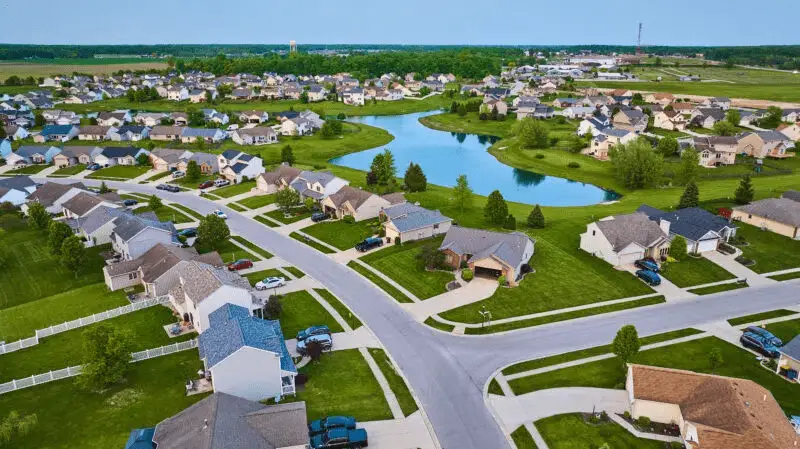
Our Comprehensive Full Reserve Study serves as the cornerstone of responsible community management. We provide a detailed financial roadmap for your association, beginning with a meticulous on-site inspection of all common area assets—from roofing and pavement to recreational facilities. This physical analysis creates a precise, real-world foundation for your long-term capital planning.
New to this, or not sure which level of study your association needs? Our complete guide to reserve studies walks a board through the whole subject — what the document is, how to read it, what percent funded means, and what your state requires.
Our specialists translate this physical data into a clear financial strategy. By assessing the condition and remaining useful life of each component, we calculate future replacement costs and develop a strategic funding model tailored to your community. This ensures a stable and predictable contribution schedule that prepares you for future expenses without guesswork.
The result is an actionable plan that empowers your board to meet its fiduciary responsibilities with confidence. By proactively funding your reserves, you eliminate the need for sudden, unpopular special assessments and ensure the community's assets are well-maintained, ultimately protecting and enhancing the property values for every owner.
The study also gives your board the one number that measures all of this: percent funded. It's how you compare your association against any other, and how lenders and insurers size you up. We explain how to read it in how much an HOA should have in reserves, and what to do when the number is low in how to avoid a special assessment.
What every full study includes
Complete component inventory — every common-area asset inspected, measured, and photographed on site. Condition & life analysis — remaining useful life and current replacement cost for each component. 30-year funding model — contribution scenarios that keep reserves healthy without surprise assessments. Board-ready report — clear deliverables your association can act on immediately.
Wondering what this runs? A full study sits at the top of the range because it's the most thorough level — see what a reserve study costs and exactly what moves the number.
Condo boards: your study is now a lending document
Fannie Mae requires a condo project's budget to allocate a minimum percentage to replacement reserves to pass Full Review — rising from 10% to 15% under Lender Letter LL-2026-03 — and a project that fails becomes unwarrantable, meaning your owners' buyers can't get conventional financing. Projects that fall short stay eligible if they have a reserve study completed within three years by an independent professional and fund its recommendations. That makes a current, defensible study the practical alternative to a large assessment increase. See Fannie Mae's 15% reserve rule — and the way around it.
California associations with wood-framed balconies
If your buildings have elevated decks, balconies, or walkways framed in wood, SB 326 (Civil Code § 5551) requires an engineer's inspection every nine years — and the statute requires that report to be incorporated into your reserve study. We don't perform that inspection; it must be done by a licensed structural or civil engineer or architect. What we do is take the engineer's findings and build them into a funding plan that actually pays for the work they identified. See our guide to SB 326 balcony inspections and your reserve study — or, if your engineer has already found damage and you're staring at the bill, how California boards actually pay for balcony repairs.