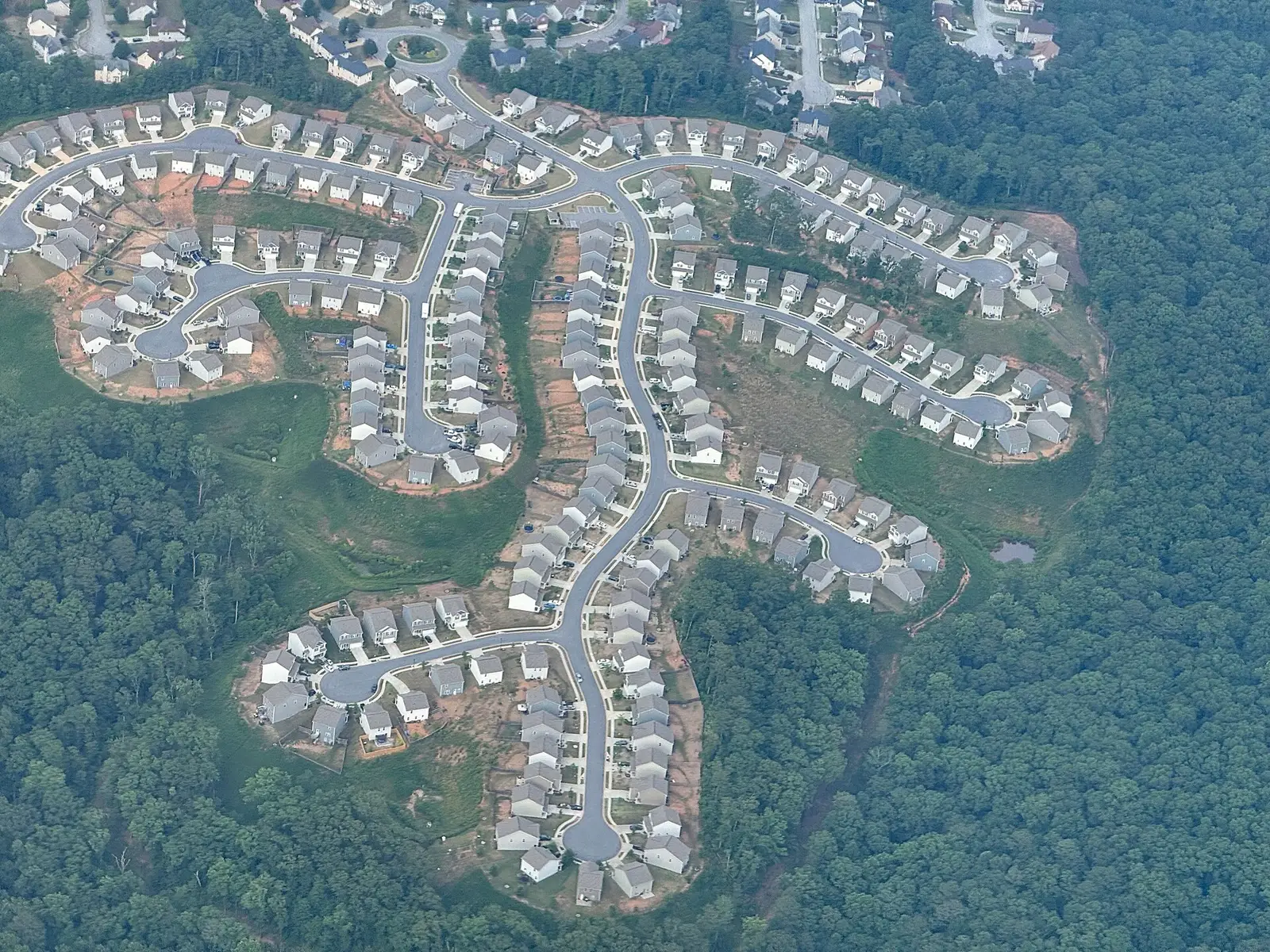
The Atlanta metropolitan area is one of the largest and fastest-growing communities of homeowner associations in the Southeast. With over 5.3 million residents spread across 28 counties and thousands of HOA and condo communities, metro Atlanta's housing landscape is dominated by master-planned neighborhoods, townhome communities, and condominium developments — from Buckhead and Midtown high-rises to suburban planned communities in Alpharetta, Marietta, Roswell, Johns Creek, and Peachtree City.
Apex Reserve Group now provides comprehensive reserve studies for HOA and condo associations throughout the Atlanta metropolitan area. With a local team member based in the Atlanta region, we offer on-site inspections and the same detailed financial planning that has made us a trusted reserve study provider in Southern California.
Why Your Atlanta HOA Needs a Reserve Study
Unlike California, Georgia does not currently have a state law requiring HOAs or condo associations to conduct reserve studies. However, that does not mean your association can afford to skip one. Here is why reserve studies are essential for Atlanta communities:
Your governing documents may require it. Many Atlanta-area HOA declarations, CC&Rs, and bylaws include provisions requiring periodic reserve studies or adequate reserve funding. Your board should review these documents carefully — failing to comply with your own governing documents creates liability for board members.
Lenders often require it. FHA, Fannie Mae, and Freddie Mac all evaluate reserve funding levels when approving condo mortgages. An underfunded association can result in loan denials for prospective buyers, which directly impacts property values in your community.
Fiduciary duty demands it. Under Georgia law, HOA board members have a duty of care and loyalty to the association (O.C.G.A. § 14-3-830). Georgia's business-judgment-rule presumption protects good-faith budgeting decisions, but a board that knowingly and consistently fails to plan for foreseeable major expenses — such as roof replacements, paving, and pool resurfacing — risks crossing into gross negligence or bad faith, the standard actually required to expose directors to personal liability. A professional reserve study demonstrates that your board is acting in good faith.
Special assessments are preventable. Without a funded reserve plan, communities are forced to levy sudden special assessments when major repairs are needed. These assessments are unpopular with homeowners and can be financially devastating. A reserve study creates a predictable funding plan that eliminates this risk.
What a Reserve Study Provides
Our reserve studies give your Atlanta-area board everything needed to make informed financial decisions: A thorough on-site inspection of all common area components including roofing, siding, paving, pools, recreational facilities, fencing, mechanical systems, stormwater management, and building exteriors. Detailed condition assessments with photo documentation for every major asset. Remaining useful life estimates based on observed conditions, industry standards, and local climate factors. A 30-year capital expenditure projection showing when each component will need repair or replacement and the estimated cost. A strategic funding plan with multiple scenarios so your board can choose the right approach for your community. Percent funded analysis showing your association's current financial health. Annual contribution recommendations per unit to maintain adequate reserves.
Our Reserve Study Services
Full Reserve Study — Comprehensive on-site inspection, 30-year funding plan, percent funded analysis, and multiple funding scenarios. This is the right choice for communities that have never had a reserve study or need a fresh baseline. Typical delivery: 3 to 4 weeks.
Reserve Study Update With Site Visit — Recommended every 3 to 5 years. We visit your property to review changes, document new conditions, and update your funding plan. Typical delivery: 2 to 3 weeks.
Off-Site Annual Update — An affordable remote update in the years between site visits. We adjust for inflation, completed projects, and changes to your financial position. Typical delivery: 1 to 2 weeks.
Atlanta-Specific Considerations
Metro Atlanta communities face environmental and market conditions that affect reserve planning:
Heat and humidity. Georgia's hot, humid climate accelerates deterioration of exterior coatings, wood siding, decking, roofing, and HVAC systems. Components may have shorter useful lives than national averages suggest. Our specialists account for Atlanta's climate when estimating replacement timelines.
Rapid growth and newer communities. Many Atlanta suburbs experienced explosive growth in the 2000s and 2010s. Communities built during these periods are now 10 to 20 years old and beginning to face their first wave of major capital replacements. Roofing, asphalt, pool equipment, and exterior paint originally installed during construction are reaching the end of their useful life.
Aging condo buildings in the urban core. Midtown, Buckhead, and Downtown Atlanta have a concentration of mid-rise and high-rise condos, many built during the condo boom of the mid-2000s. These buildings face complex capital needs including elevator modernization, parking structure repairs, facade maintenance, and fire safety system upgrades that require careful long-term financial planning.
Stormwater and drainage infrastructure. Many Atlanta-area communities have stormwater detention ponds, retaining walls, and drainage systems that are HOA-maintained. These are commonly overlooked in budgeting but can represent significant capital expenses when repair or replacement is needed.
Metro Atlanta Communities We Serve
We provide reserve studies for HOA and condo associations throughout the Atlanta metropolitan area, including but not limited to:
Fulton County: Atlanta, Roswell, Alpharetta, Sandy Springs, Johns Creek, Milton, Chattahoochee Hills, College Park, East Point, South Fulton, Union City.
Cobb County: Marietta, Kennesaw, Smyrna, Acworth, Powder Springs, Austell, Mableton, Vinings.
DeKalb County: Decatur, Dunwoody, Brookhaven, Tucker, Stone Mountain, Chamblee, Doraville, Lithonia, Clarkston.
Gwinnett County: Lawrenceville, Duluth, Suwanee, Snellville, Buford, Peachtree Corners, Norcross, Lilburn, Dacula.
Cherokee County: Woodstock, Canton, Holly Springs, Ball Ground.
And all other cities and communities within the metro Atlanta area.
Protect Your Atlanta Community's Financial Future
Contact Apex Reserve Group for a free consultation and customized proposal for your metro Atlanta association.